Chronotopic Cartographies
Indefinite Spaces
Topographic elements deemed real but not place-specific
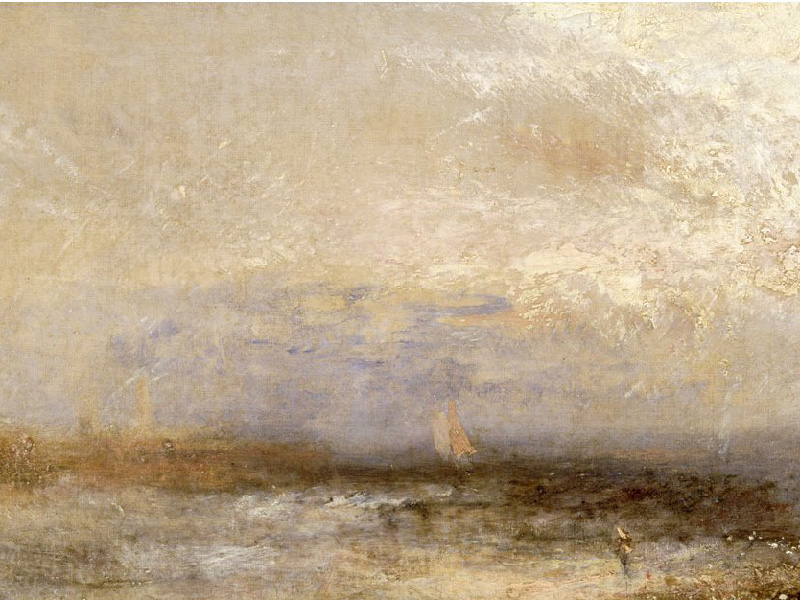
This group of texts concerns a kind of location that is also a dislocation. In this spatio-temporal literary world nothing is in full focus, including the landscape around the character. So what we are dealing with is what in data terms is sometimes called 'fuzzy geography' – areas of uncertainty. There are places and objects around you but they are not able to be specified or named and you don't really know where you are. The nature of the external landscape may also reflect the nature of the character's internal state.
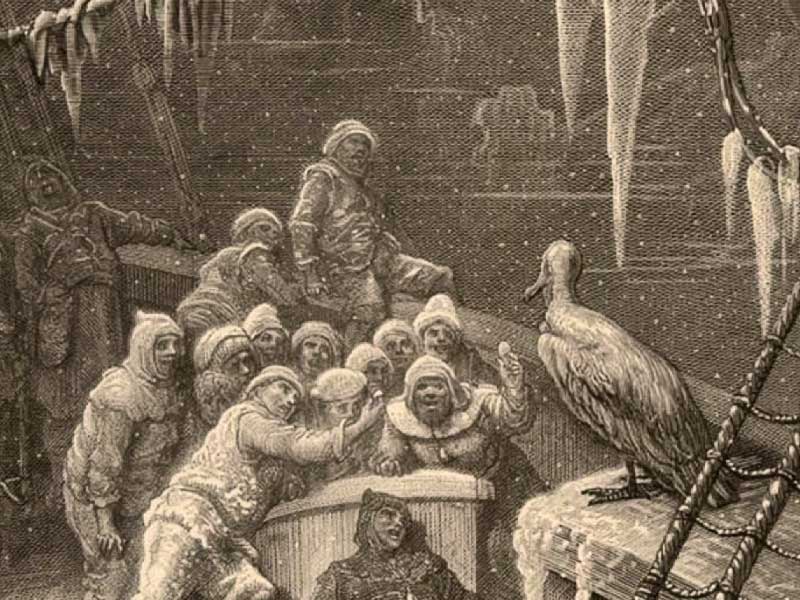
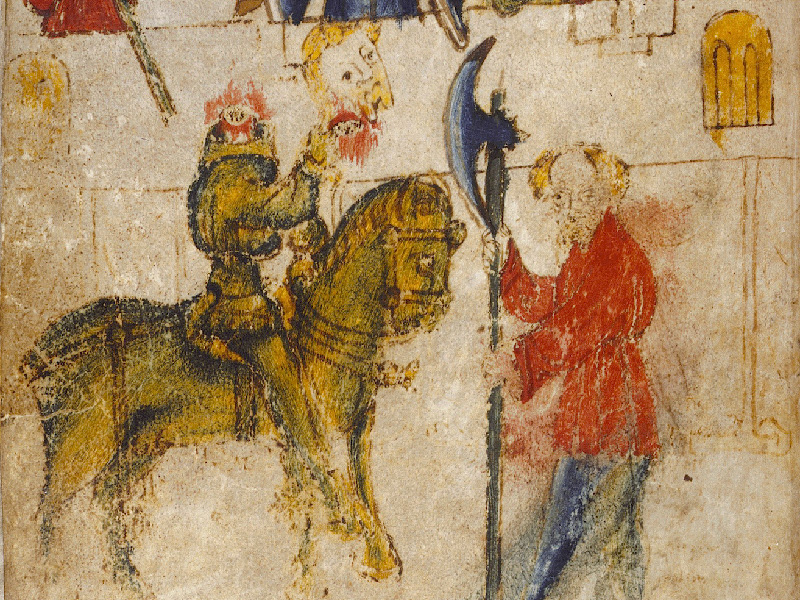
Gawain and the Green Knight is a great early example of this. Gawain climbs hills and cliffs, rides through forests and crosses rivers but he doesn't really know where he is going or for what purpose beyond the locating of a 'Green Chapel'. The lack of specificity also tends towards the poetic so we see this kind of weird, passing landscape in poems such as 'The Rime of the Ancyent Marinere'. Equally, it lends itself to symbolic or even surreal landscapes such as Kafka's The Castle.
Visualisations
Correspondent Spaces
Explicit Representation of Places with Real World Correspondence
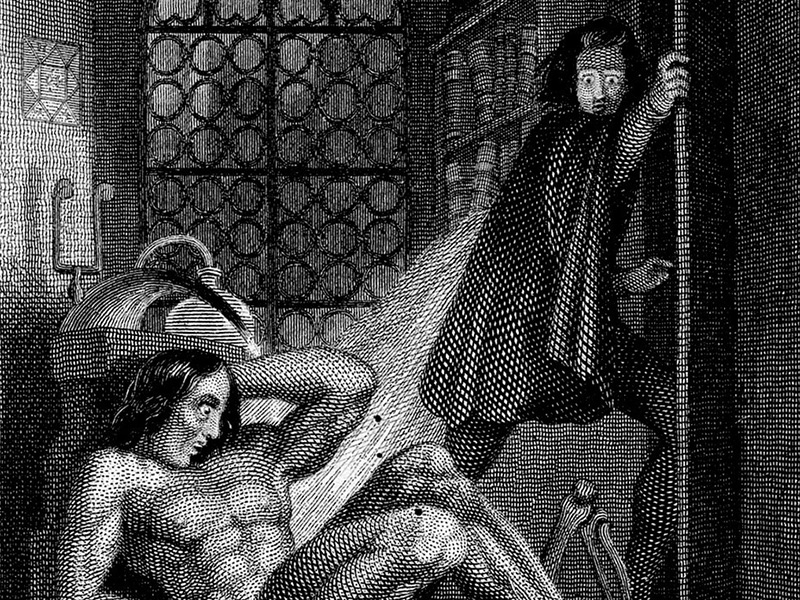
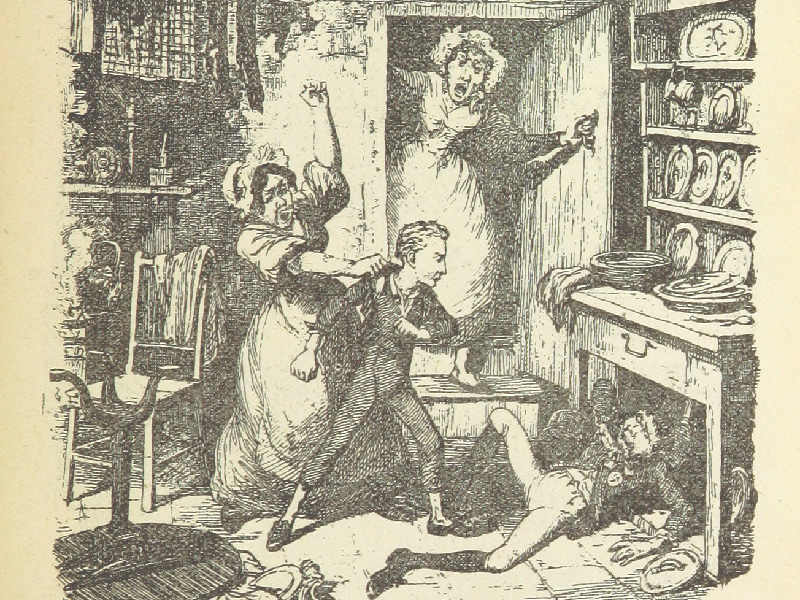
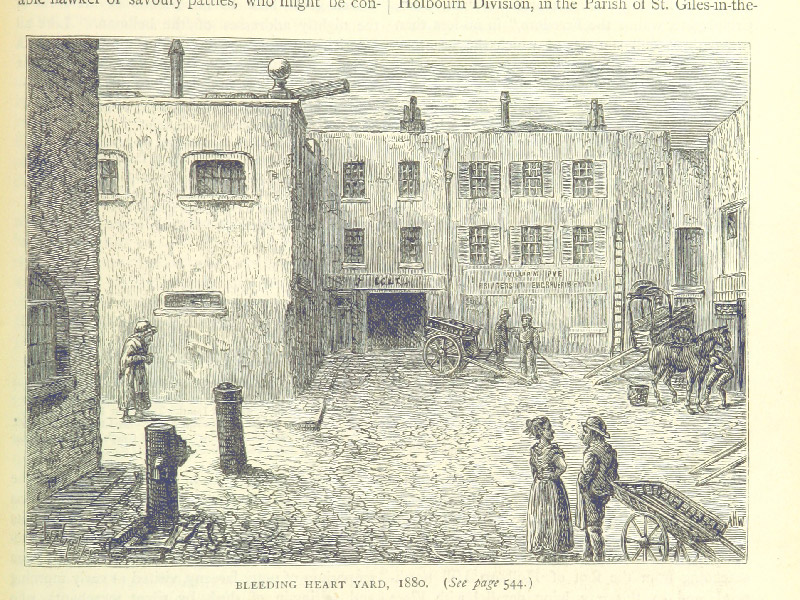
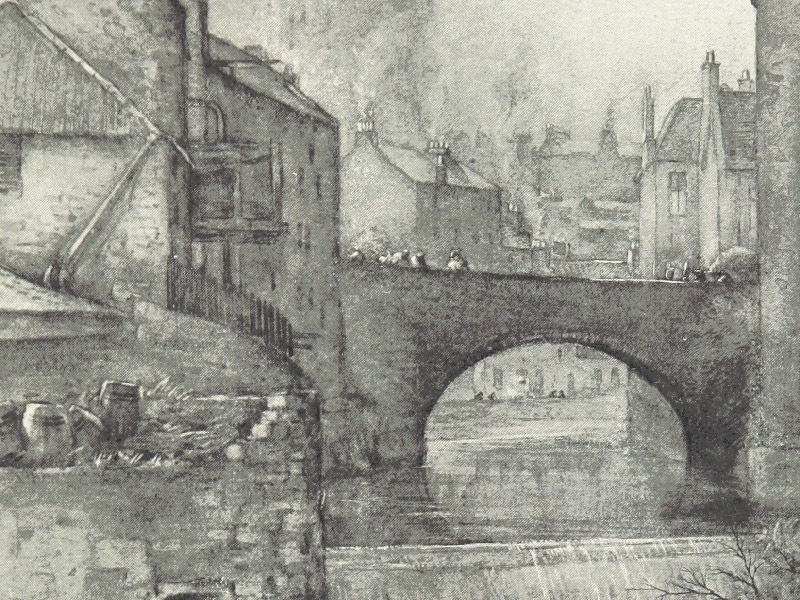
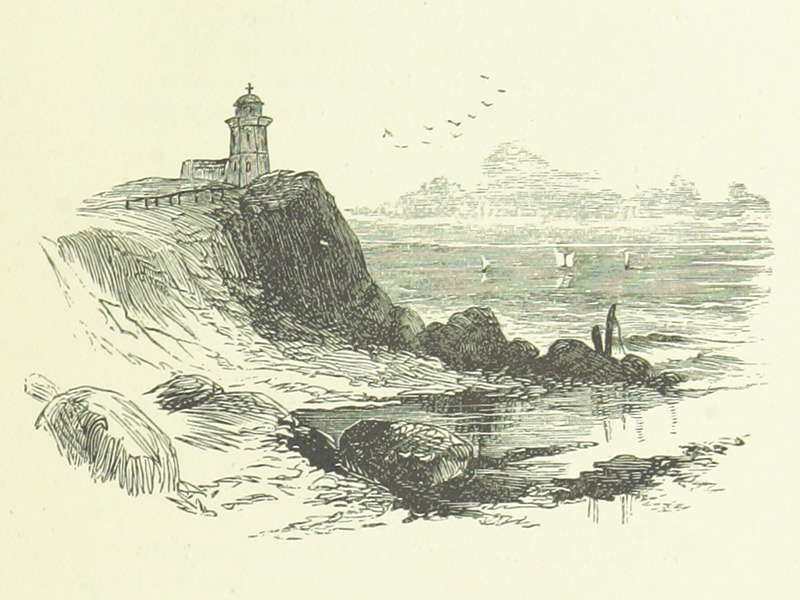
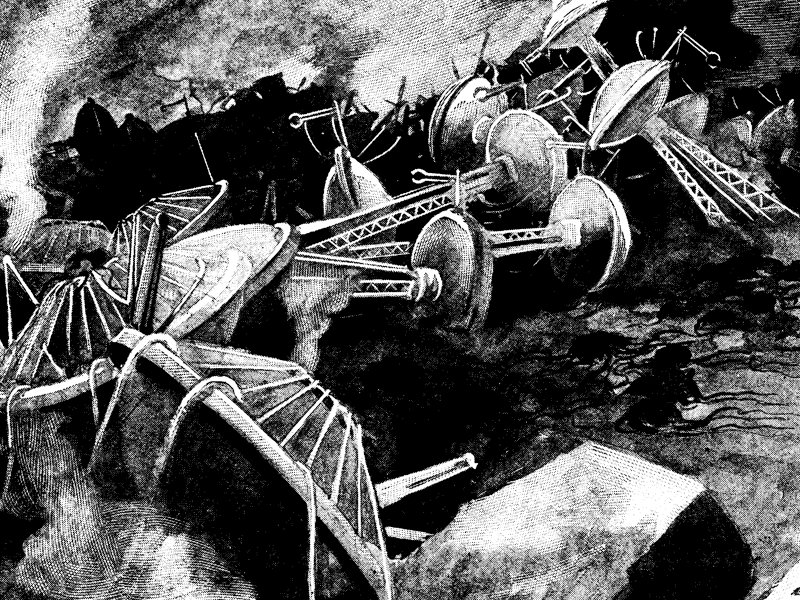
This group of texts contains worlds that can be referenced geographically and historically to real world spaces (Bakhtin defines these as "concrete"). Here, space and place correspond to actual, historically existing geographical places, that can be identified through realistic details such as placenames, streets, cities and regions of a real country, and so on. The nineteenth-century realist novels of writers such as Eliot; Dickens; Trollope; Flaubert and others fall into this category. Time, or chronos, in such literary worlds is based on parallel plots that take place within a single, universalised timeframe, one that can only be seen as a unified whole by the reader.
Such settings – temporal and spatial – are not without symbolic or figurative value, but these base metaphors are rooted firmly in the real. Think, for instance, of Dickens' Oliver Twist: London is explicitly represented, its areas, streets and buildings named and identified. And yet the London slums also have a claustrophobic aspect, and the dark criminal underworld is concretely registered in the filthy and decaying rookeries of Jacob's Island. By contrast, the rural retreat of Oliver's native town stands in emblematic opposition to the city.
Visualisations
Nested Worlds
Integrated real and fictional regions
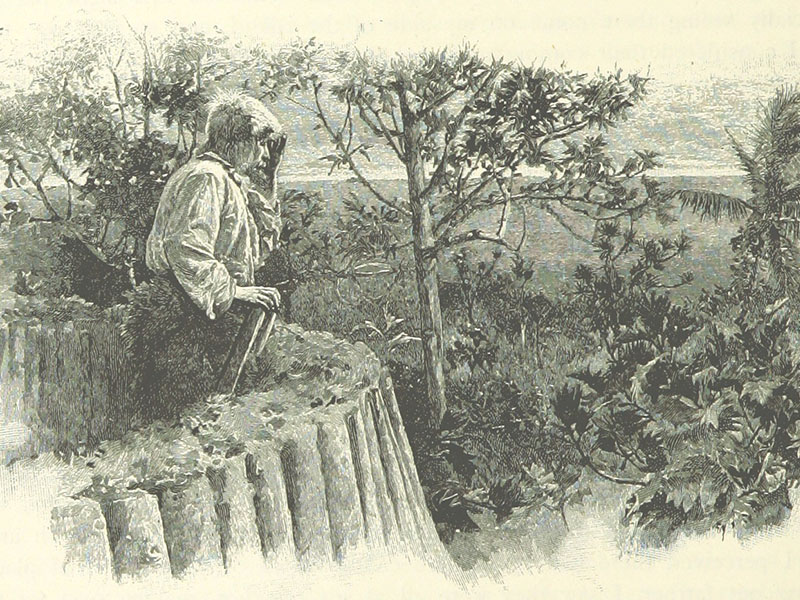
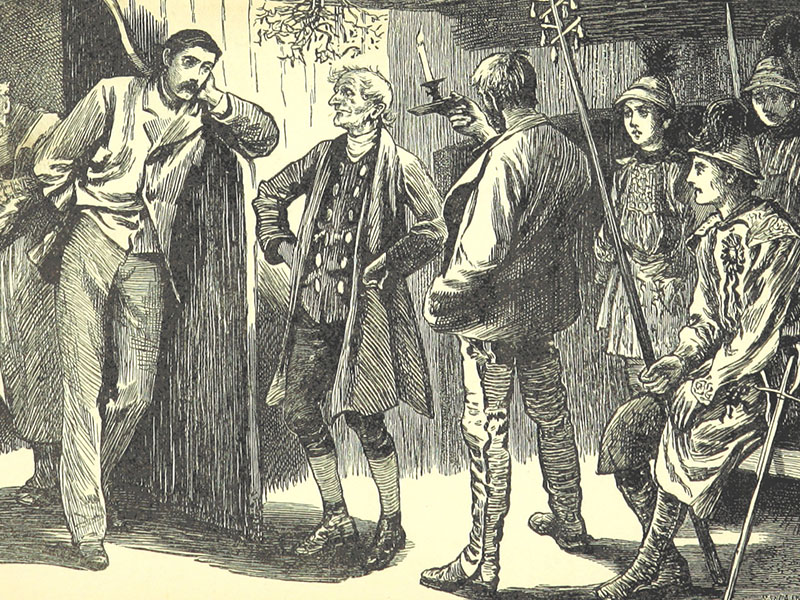
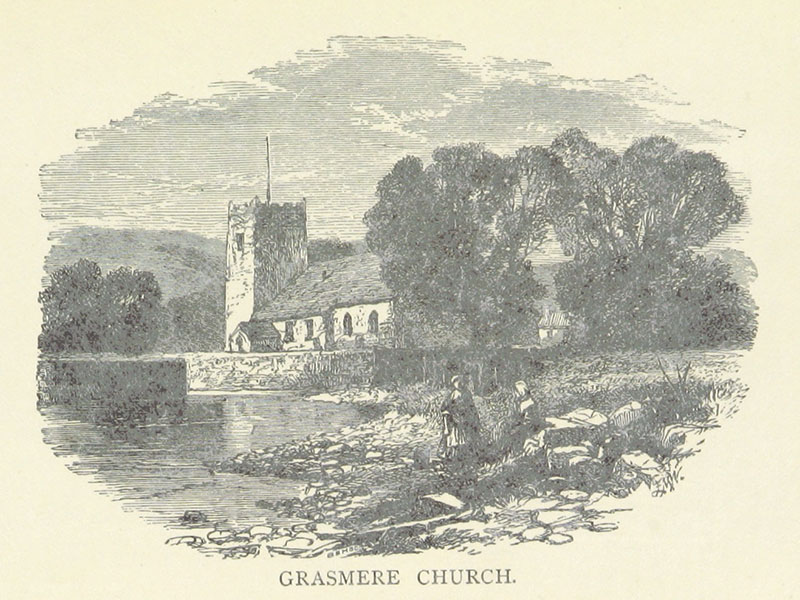
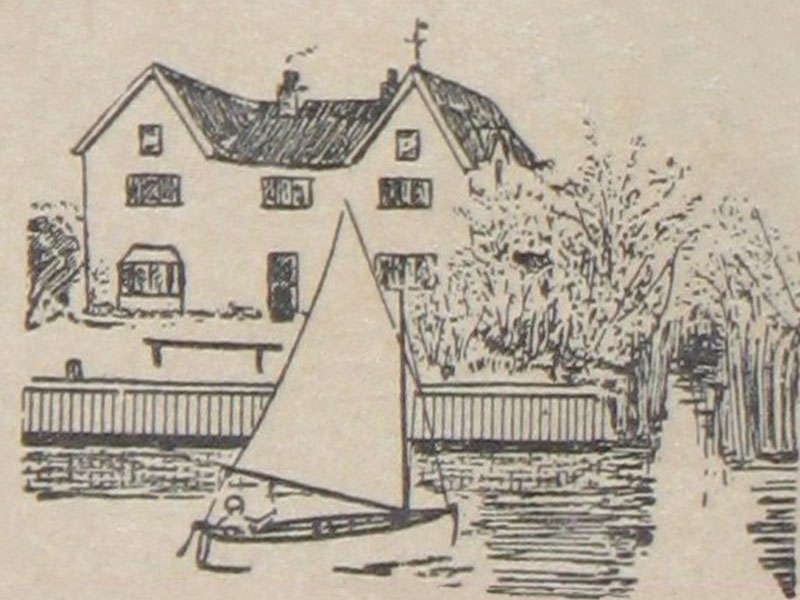
Many works of literary fiction fall into this spatial type which concerns an imaginary world located within a real context. People, events and objects are all fully recognisable as those of the everyday world but the immediate setting has no direct real-world correspondence and local features (houses, families, towns, topographical details) are given fictional names. Time and place both function as they would do for a realist novel as in Ontology 1 (and, arguably many realist novels are in fact of this spatial type). However, at the same time, actual places within the real world are mentioned within the text and are able to be travelled to, visited or stayed in (The Lake District in Arthur Ransome; Portsmouth in Mansfied Park).
We could think of such worlds as "nested" within the real. So a writer like Thomas Hardy, creates "Wessex" (once an actual region in South West England) and has real cities marked on his map (e.g. Bath, Southampton), but within this he gives fictional names to other towns (E.g. Dorchester "becomes" Casterbridge) and creates some imaginary regions. Ransome for his part takes different parts of the Lake district and re-merges them to create a fictional landscape that is a kind of montage of the actual one.
Visualisations
Fantastic Worlds
Visualisations
Spaces of Exile
Lost worlds (places which no longer exist or to which one cannot return)
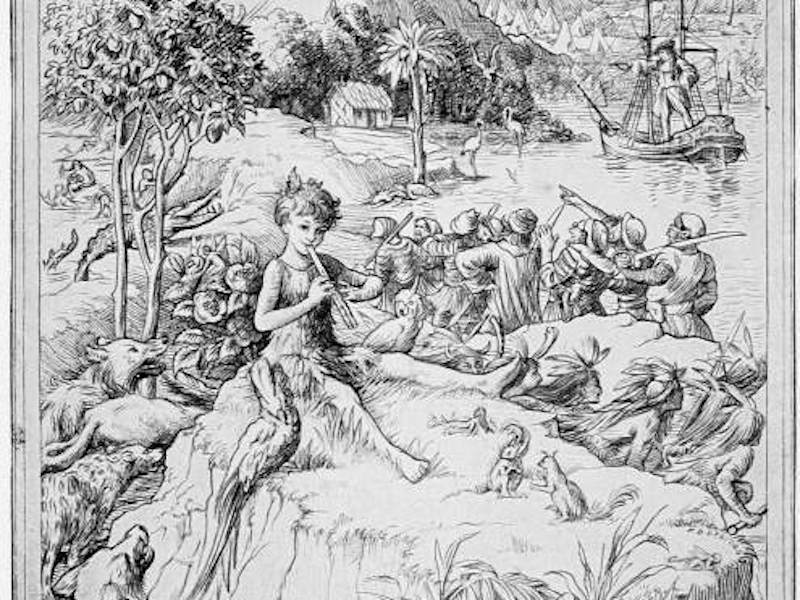
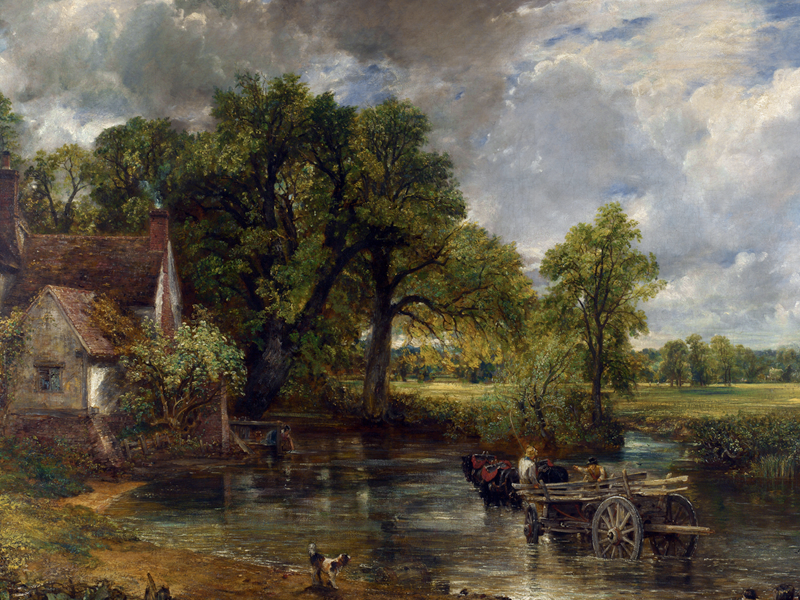
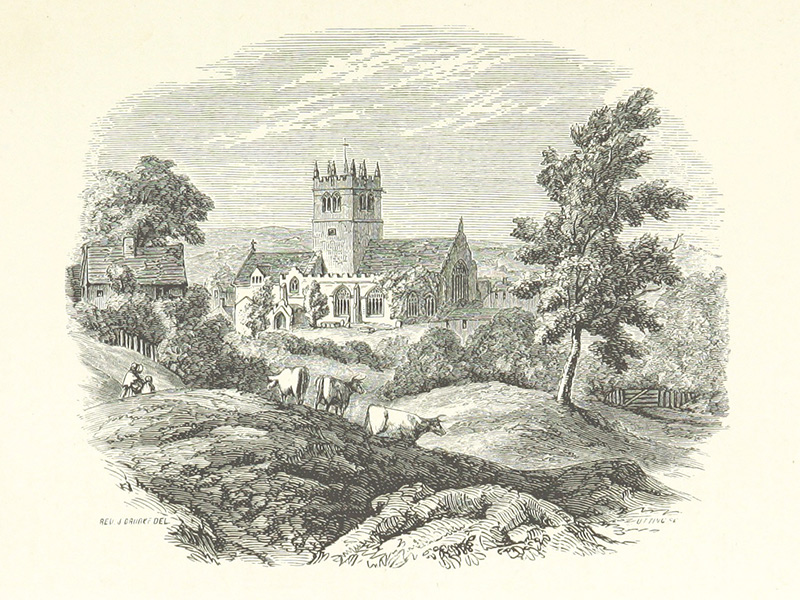
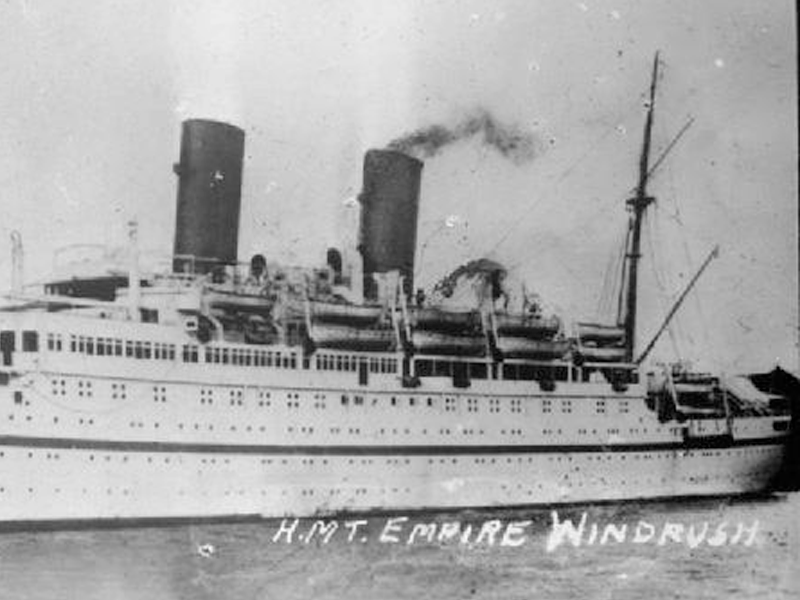
This group of texts concerns literary worlds or places that are defined in terms of absence. Chronotopically, they concern being cut off, remote in time and space from a particular site, and are also likely to be centred on tropes of exile and upon the contrast between past and present or memories of the past. This may be literal - as in the sense of ecological loss redolent in John Clare's verse - or personal and subjective, as in the nostalgic recollections of the sites of childhood of J M Barrie's Peter Pan texts. Frequently, though, private loss (registered spatially through exile or migration, and temporally through maturity) and collective loss bleed into each other. The movement of exile implies a spatial displacement from homeland, but it also implies temporal change. While transfer to a new place is marked by a literal passage of time, settlement in the diaspora also signifies the entrance of a new temporal phase of life.